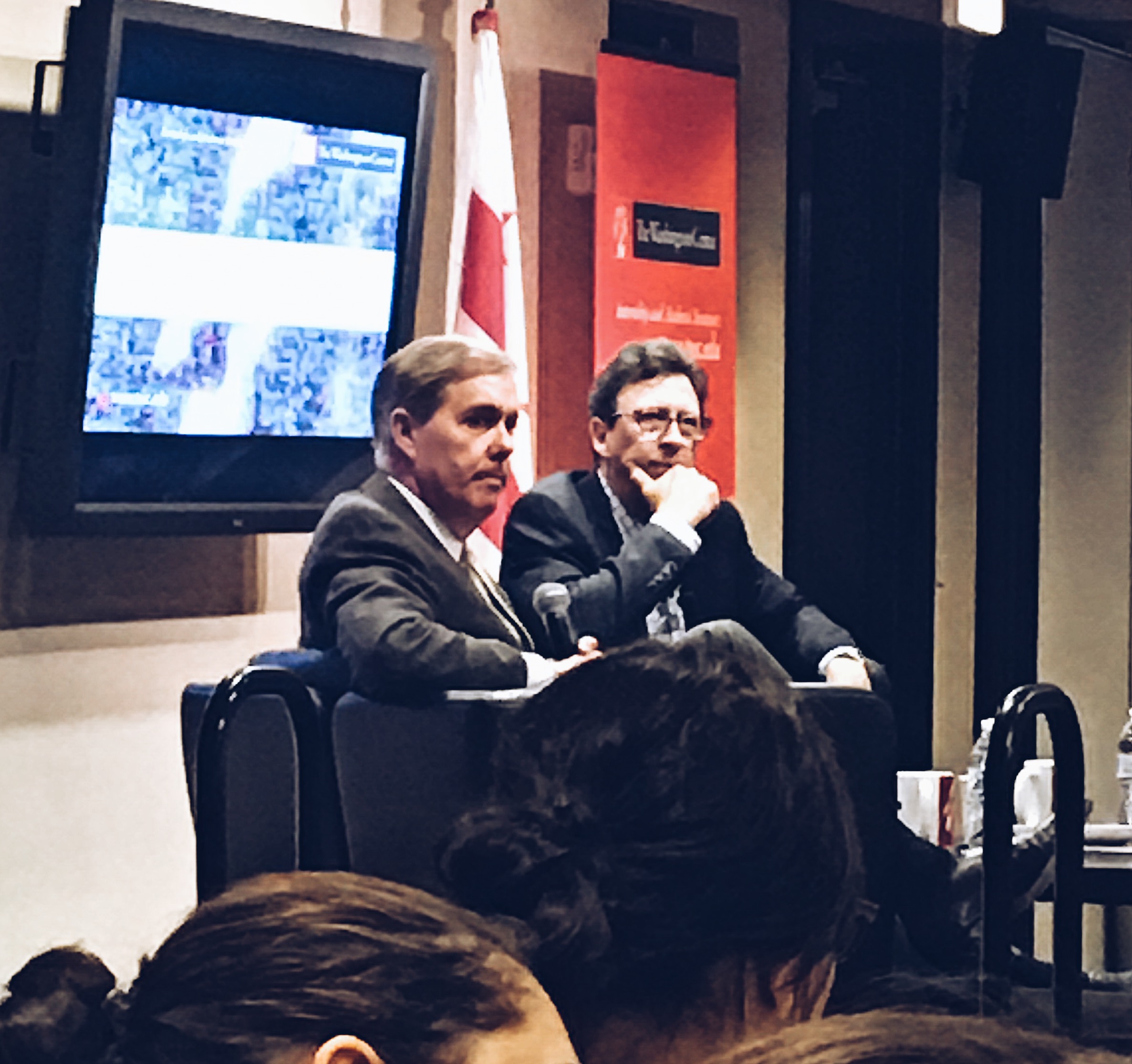
The most influential and prominent source that shapes our way of thinking is the media. President Elect Donald Trump has made it well known, both on Twitter and television, that he has been misrepresented by certain media outlets such as CNN. As president, he will be under constant media scrutiny. One of our main topics discussed how exactly Trump will handle the media he claims is “fake” and “dishonest”. Alex Simindinger, a White House Reporter with Real Clear Politics and Ed O’Keefe, Congressional Reporter with The Washington Post joined us with moderator Steve Scully to discuss the media in greater detail.
How will reporters cover a Donald Trump presidency? There’s no way to know for sure how or if Trump may dodge answering a question from the media, so the media must use the knowledge they’ve learned over his campaign trail to ask him questions in a way he can answer. Both reporters agreed that Trump may be the best example of living history we have. Trump many exercise parts of the constitution and presidential power that hasn’t been seen before. The media is familiar with D.C. and the current and past political leaders have set precedents on the way things run in Washington. It’s clear that Trump is an outsider to D.C., so one of the biases media must try to avoid is having expectations for him to govern in a certain way. The media’s job is to report to the public the facts and allow them to form opinions and take stances based on those facts. The Trump/media relationship is going to be interesting for sure. Who knows, they may grow on him!
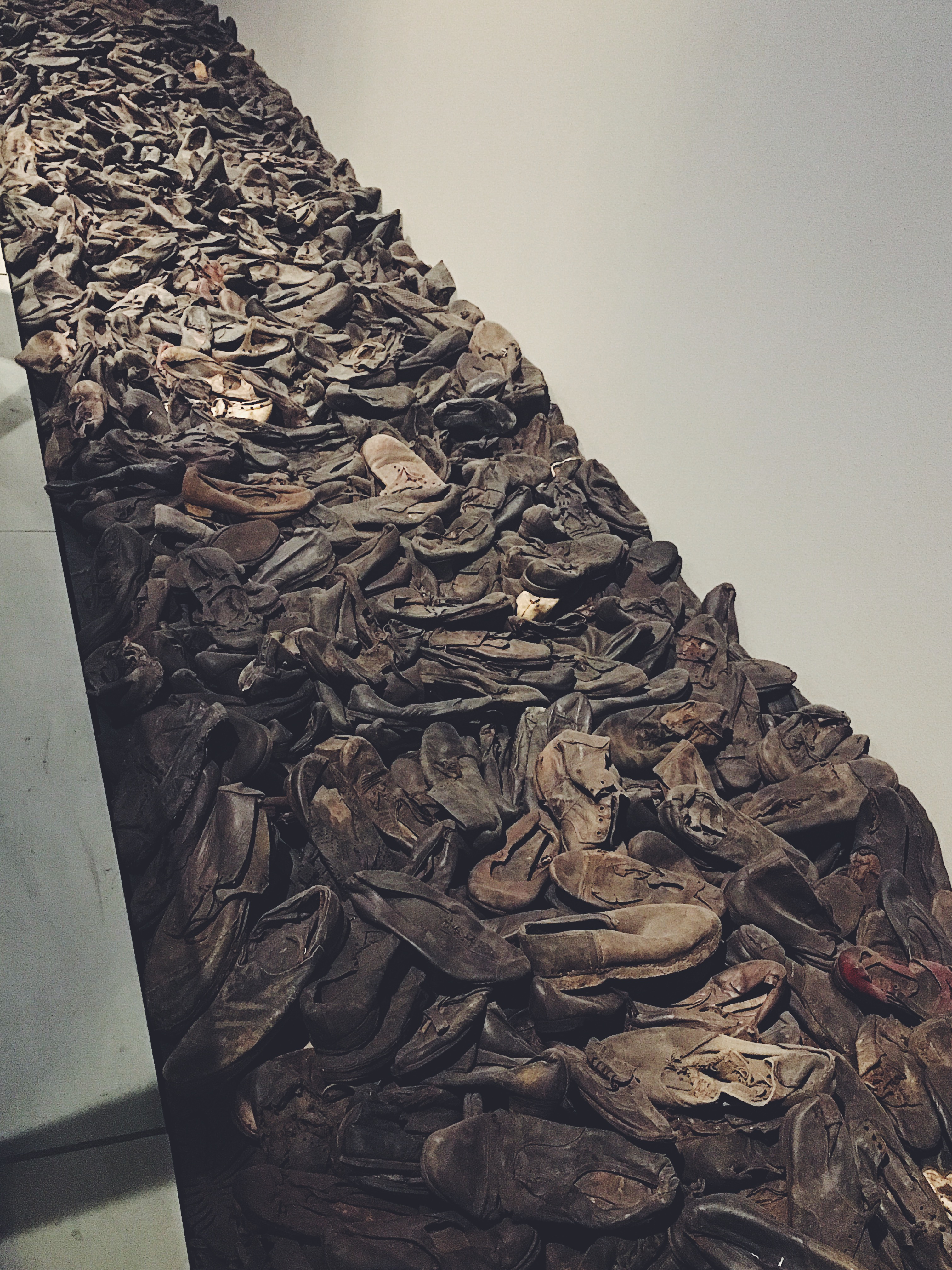
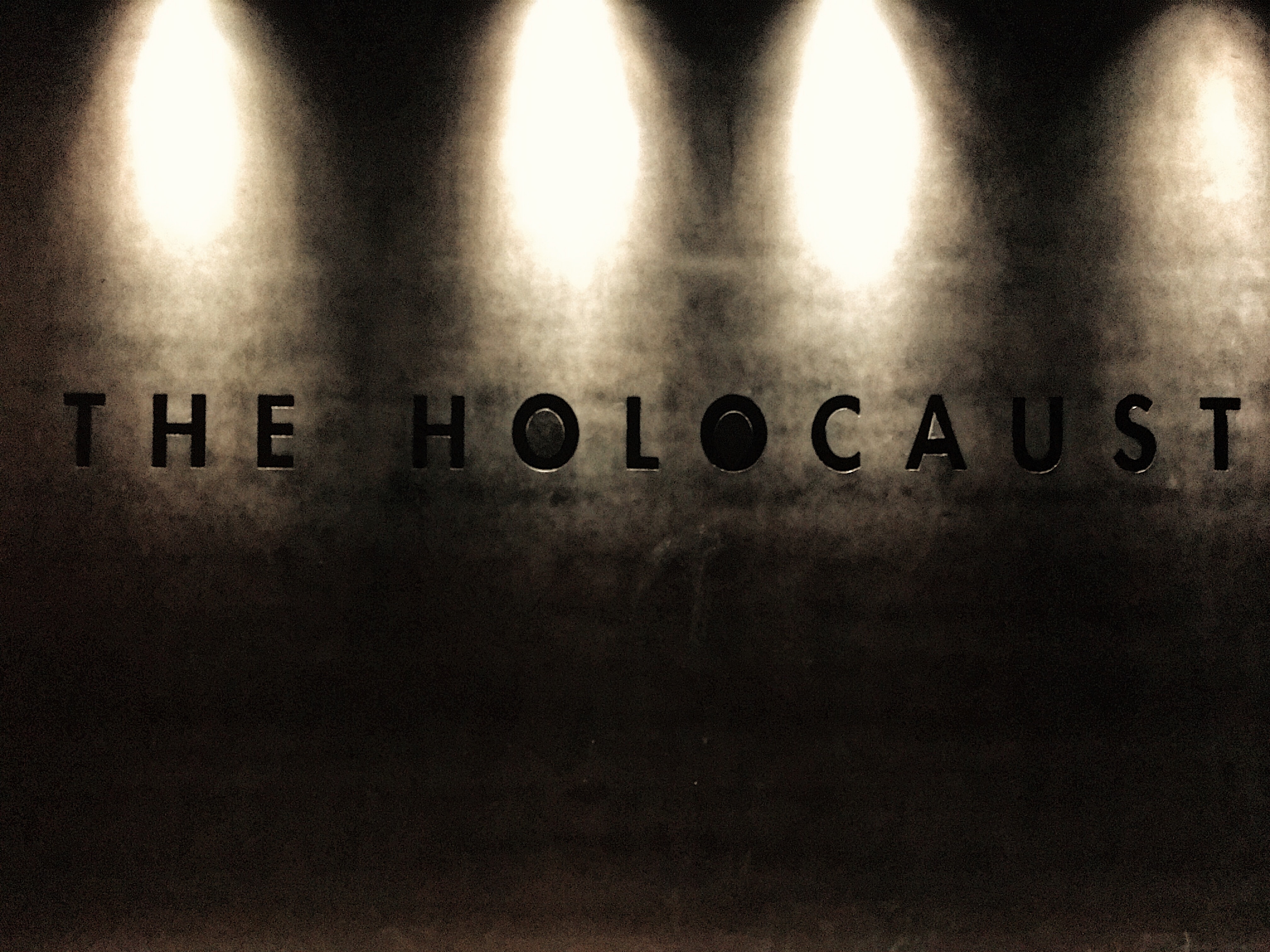
After our morning session, we visited the Holocaust Memorial Museum. The museum has several floors of history covering from the events leading up to World War II, the events following after the Germans were defeated along everything in between. One of the reasons the Nazi regime was so popular was because Hitler got the youth involved. Young college students just as myself were burning books written by Jewish authors and were turning against their own peers. The message that Aryans were the superior race was constantly being fed to all Germans. Photos and media coverage taken during that time period showed millions rallying in support of Hitler. Jews were taken from their homes while their neighbors watched, some even taking their possessions when they left. Most of the elderly and children were sent to the gas chambers as soon as they reached the concentration camps.
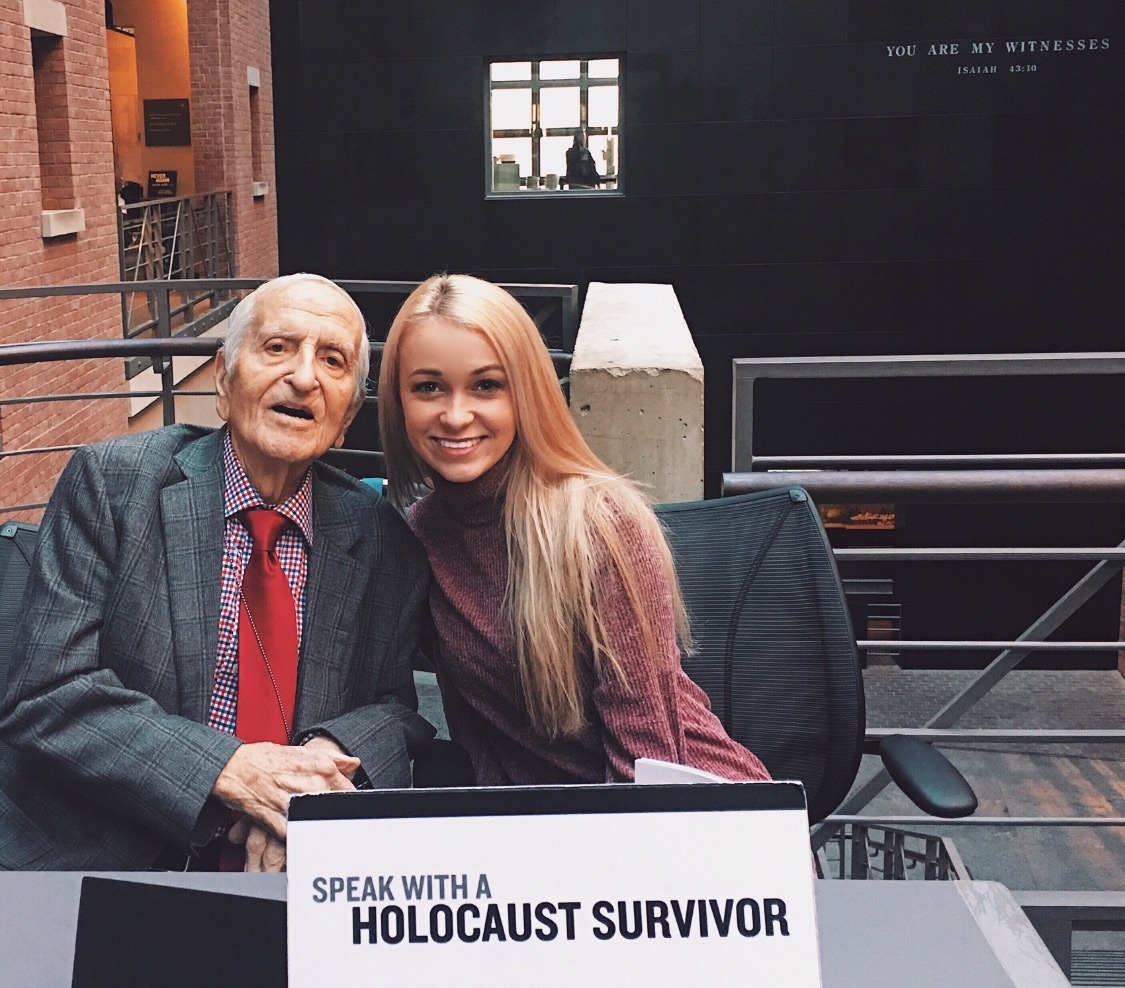
There is no better source of history than someone who has lived through it, and I was able to sit and speak with Holocaust
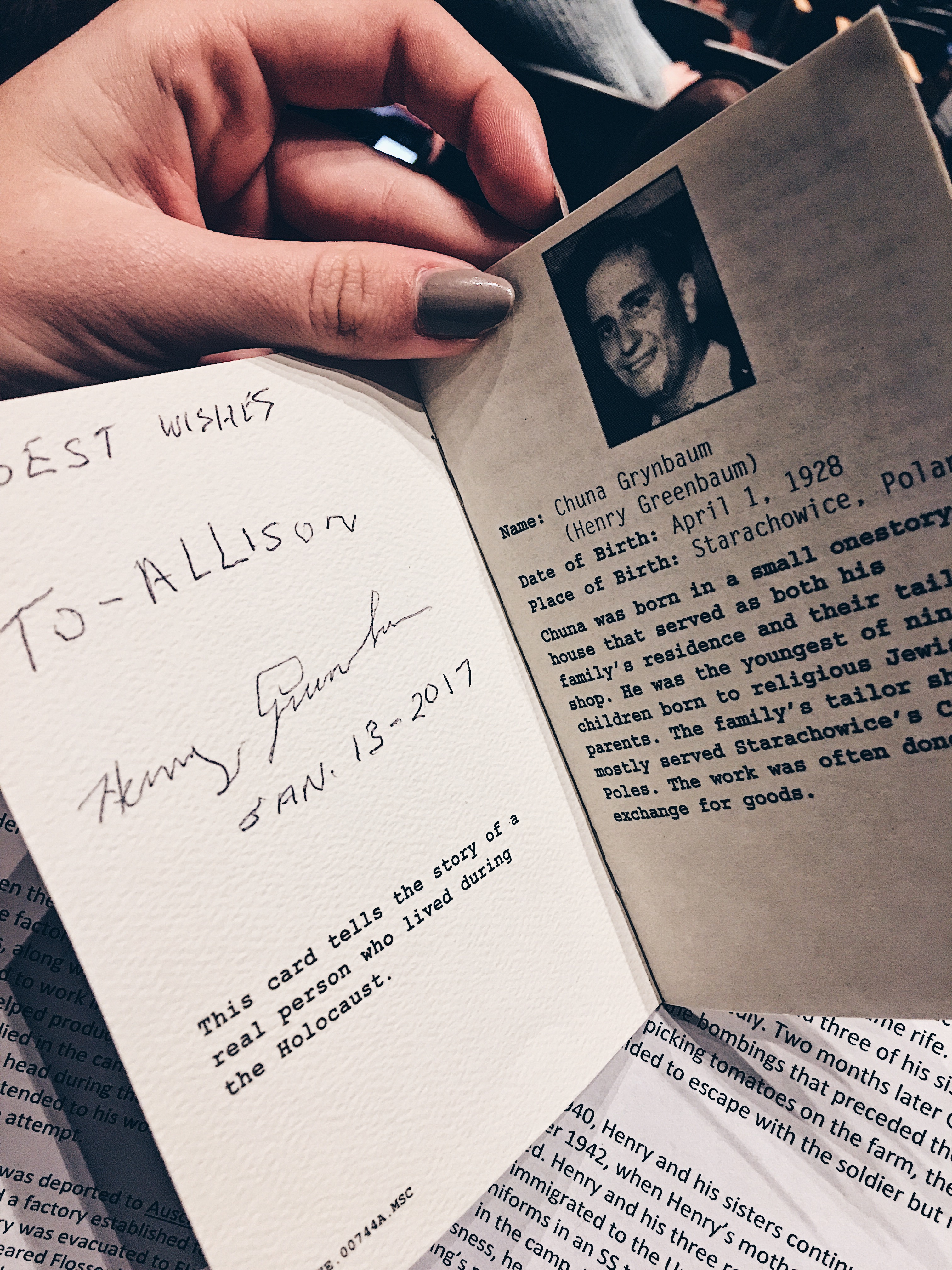
survivor Henry Greenbaum at the museum. Henry was sent to a concentration camp with his sister to do factory labor in 1942. One night in 1943, his sister told him there would be an escape later. When the camp lights were cut and he, his sister and several other prisoners tried to escape through a hole in cute in the fence. The hole got jammed with prisoners and bullets starting flying. Henry was struck in the head and as he ran back to camp, he saw that his sister had been killed by one of the bullets. After being deported to a labor camp in Auschwitz, he was liberated at the age of 17 and emigrated to the United States.
One of the questions I asked myself consistently as I walked through the museum was “why”? Why did it take so long for other countries to step in? How could something so cruel and horrific go on under our noses without us even knowing? Of course there were many who stood by and watched this injustice occur, perhaps out of fear. The Holocaust was one of the most tragic occurrences in history. It’s important for us all to learn about these events so they don’t repeat themselves and so we recognize when we are being manipulated by political leaders. This quote by Martin Niemoller sums up what I can’t put into words about the importance of standing up for our fellow citizens:
First they came for the Socialists, and I did not speak out—
Because I was not a Socialist.
Then they came for the Trade Unionists, and I did not speak out—
Because I was not a Trade Unionist.
Then they came for the Jews, and I did not speak out—
Because I was not a Jew.
Then they came for me—and there was no one left to speak for me.