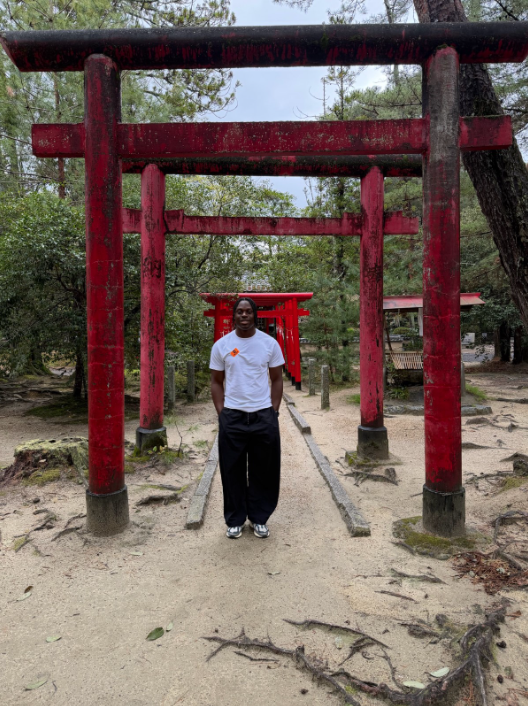
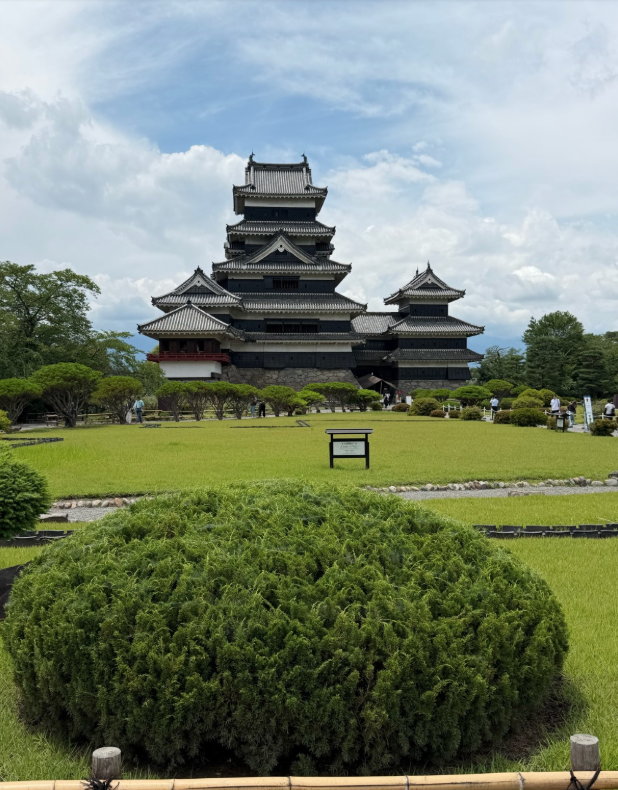
Culture is the shared way of life of a group of people. It encompasses beliefs, values, customs, behaviors, and knowledge, as well as tangible elements such as language, art, and artifacts. One of the main reasons I wanted to learn Japanese was because of Japan’s rich and unique culture. Anime, festivals (お祭り), Japanese food (和食), and many other aspects of Japanese life were and still are fascinating to me. I think this is true for many people who want to learn Japanese or visit Japan one day.
Luckily, during my time in Japan so far, I have had many opportunities to interact with Japanese people. Whether through brief conversations or deeper personal discussions, one trend has remained consistent: Japanese people tend to be very non-confrontational. This preference for avoiding conflict is deeply embedded in many aspects of daily life.
One example comes from my experience walking around Nisshin. When walking on the sidewalk, you must constantly be aware of bicycles approaching from behind. If a Japanese cyclist comes up behind a group of pedestrians, they will often quietly slow down and wait until someone notices them and moves aside. What makes this situation ironic is that bicycles in Japan are equipped with bells, meaning the inconvenience could easily be avoided. Yet many people choose not to use them because doing so could be viewed as disruptive or impolite.
In my Japanese Culture and Hospitality class, I have had the opportunity to explore the historical reasons behind behaviors such as avoiding direct confrontation, remaining quiet on trains, and following strict social etiquette. During the Edo period, Japan had rigid social hierarchies and strict societal controls. The concept of 切り捨て御免 (kirisute gomen), which allowed samurai to kill commoners who showed serious disrespect, reinforced the importance of deference, indirect communication, and maintaining social harmony. Japan also has a well-known saying: “The nail that sticks up gets hammered down.” Both examples reflect cultural values that continue to influence Japanese society today.
My understanding of culture has changed significantly since coming to Japan. I now view culture through a more historical lens. Many customs and behaviors are not random; they are shaped by centuries of history and passed down through generations. Before judging why another culture behaves differently, it is important to understand the historical context behind those behaviors. Because I can communicate in Japanese, study Japanese culture in class, and research the reasons behind many social norms, I have found it easier to appreciate and adapt to the complexities of Japanese society.